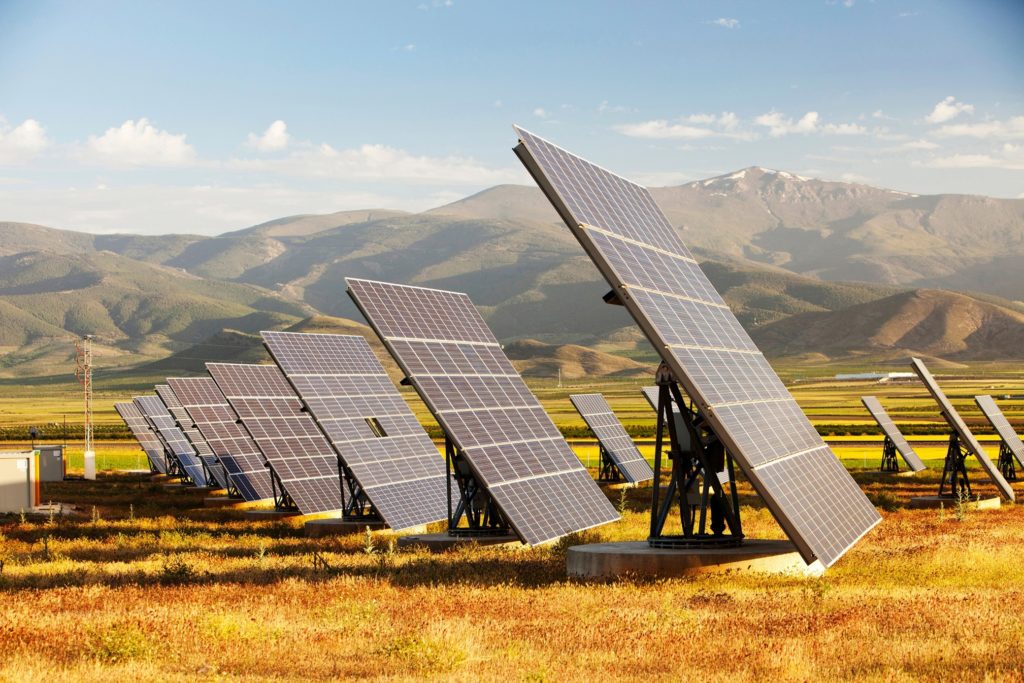
 As part of its ongoing commitment to sustainable development and equitable access to energy, LINPICO SARL was selected by the ECOWAS Commission, through the Regional Off-Grid Electricity Access Project (ROGEAP), to conduct a strategic mission to analyze import duties applied to off-grid solar photovoltaic products in ECOWAS member countries.
A high-stakes mission for the energy transition in West Africa
The main objective of this 18-month mission is to assess and reconcile the interests of three major stakeholders:
- customs administrations,
- national industrial stakeholders,
- and energy authorities.
The analysis will focus in particular on tariff barriers to the importation of off-grid solar products, in order to propose balanced recommendations to facilitate access to sustainable electrification solutions for households and businesses.
Technical work based on HS codes for solar products
One of the key components of this mission is the development of technical information sheets on the Harmonized System (HS) codes applicable to off-grid solar photovoltaic equipment. These sheets aim to facilitate the harmonized identification of products by customs services, enhance the transparency of procedures, and support the regional harmonization of import policies.
Multi-sector expertise is mobilized:
LINPICO is mobilizing a multidisciplinary team for this mission, combining expertise in customs policy, local industries, renewable energy, and regional trade regulations. This project is fully in line with the dynamics of ROGEAP, implemented with the support of the World Bank and the ECOWAS Center for Renewable Energy and Energy Efficiency (ECREEE).

 Linpico has just completed the Fiduciary Risk and Procurement Management Assessment for the Casablanca-Settat Region, a project funded by the AFD.
  With our partners at EUROPE Ltd, we have recently finalised a project aimed at enhancing Ukraine’s statistical capabilities to align with EU standards. Key deliverables and actions include:
 We are pleased to share insights from our recent evaluation of EU-supported capacity-building initiatives in Libya’s health sector from 2018 to 2024, together with our partners at Social Terrain.
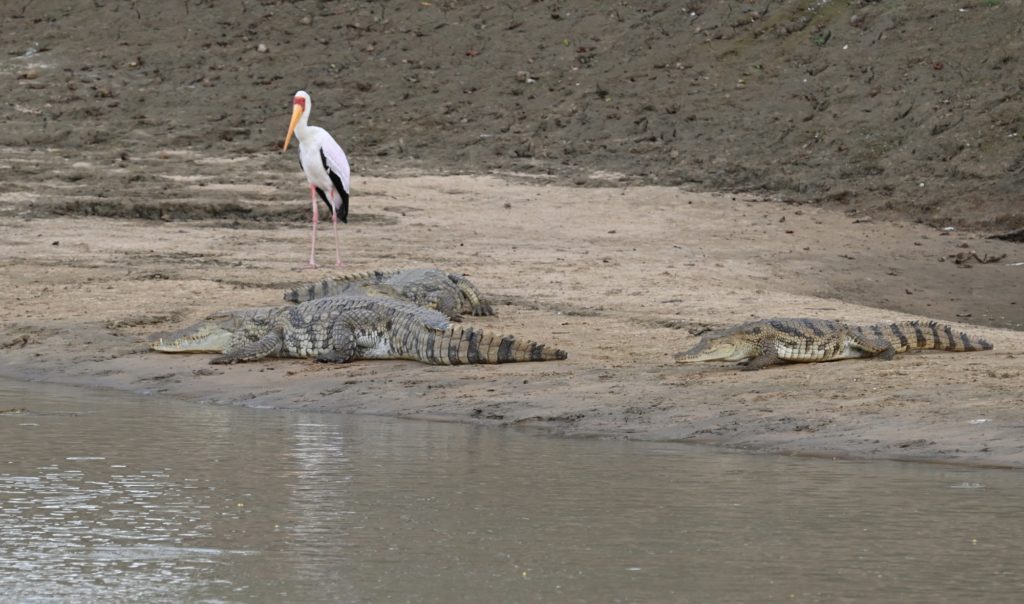 Chad has exceptional biodiversity that is endangered due to climatic and anthropogenic pressures. However, Chad still offers a representativeness of biodiversity linked to a great diversity of landscapes and a strong north-south gradient of ecosystems. The conservation of biodiversity and fragile ecosystems is a priority in Chad’s national development plan and in Chad’s 2030 vision. The European Union (EU) has supported the Chadian government in this mission through the “Support Program for the Concerted Management of Protected Areas and Fragile Ecosystems in Chad (APEF)” program.
 On April 22, we celebrate International Earth Day, proclaimed by the United Nations General Assembly in 2009. This day reminds us that our planet and its ecosystems constitute the common home of humanity. Protecting our Earth is essential to improve people’s living conditions, combat climate change, and prevent the collapse of biodiversity.