 The Climate Change Act (CCA) 2020 was proclaimed and came into force on 22 April 2021. It proposes a legal framework with a multi-layered institutional mechanism for making the Republic of Mauritius a climate-resilient, low-carbon country. The CCA makes provisions for the creation of a Department of Climate Change (DCC) and Climate Change Units (CCUs) for the mainstreaming of climate change in all sectors. The project entitled “Technical Assistance for an Institutional Gaps and Needs Assessment (IGNA) to implement the provisions of the Climate Change Act 2020 in the Republic of Mauritius” is tasked with proposing an organisational plan for the DCC, including staffing needs, Scheme of Duties, cost of operationalising the proposed organisational structure and capacity development requirements. It also requires the institutional arrangements and human capacity development plan for institutions other than the DCC in Mauritius to be articulated so that these institutions are able to respond to the requirements of Section 16 of the CCA.
The Act aims at addressing the adverse effects of climate change and developing Mauritius into a greener economy. It will also assist Mauritius in meeting its obligations under the United Nations Framework Convention on Climate Change, the Kyoto Protocol, the Paris Agreement and any other related instrument on climate change.
 A National Climate Change Adaptation Strategy and Action Plan (NCCASAP) (Section 13 of CCA) will be formulated covering the following key adaptation sectors, namely agriculture, biodiversity, coastal zones, infrastructure, the port, marine environment, tourism, fisheries, water and health. Also a National Climate Change Mitigation Strategy and Action Plan (NCCMSAP) (Section 14 of CCA) will be formulated covering the following key mitigation sectors, namely energy, transport, industrial processes and product use, agriculture, forestry, land use, waste management and disposal. Further, Section 15 makes provision of carrying out a national inventory of greenhouse gases (GHGs) on an annual basis.
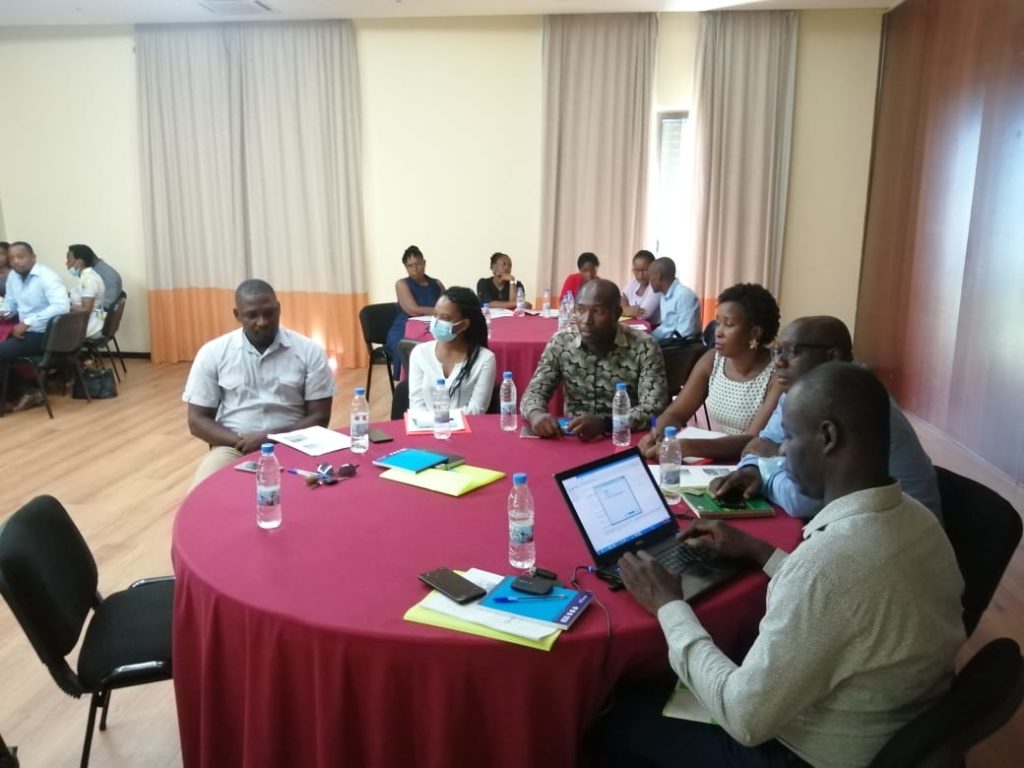
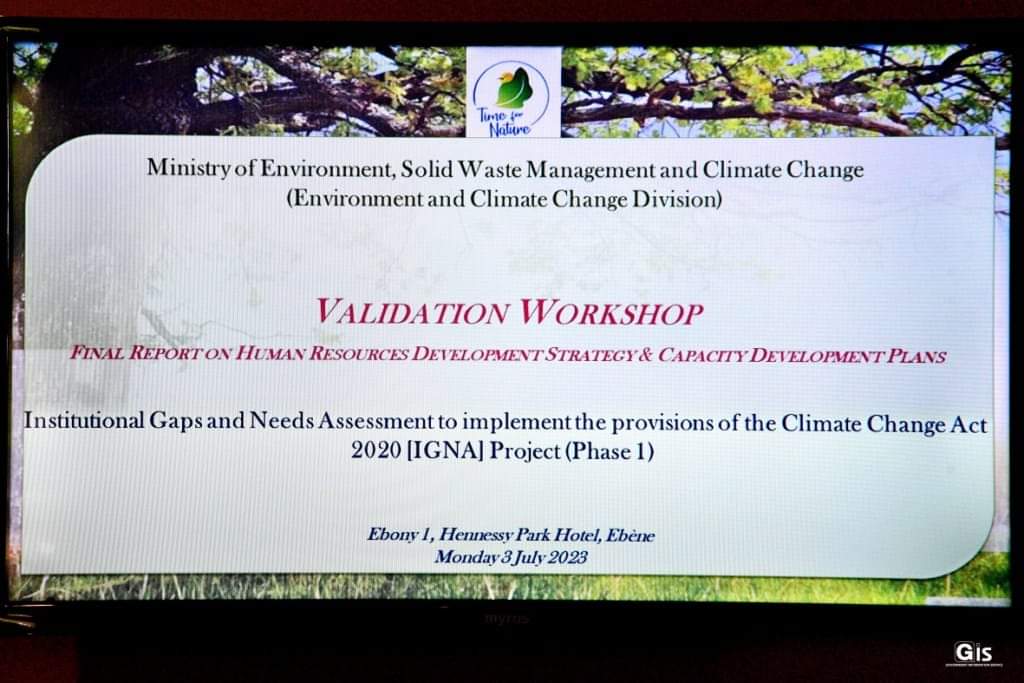
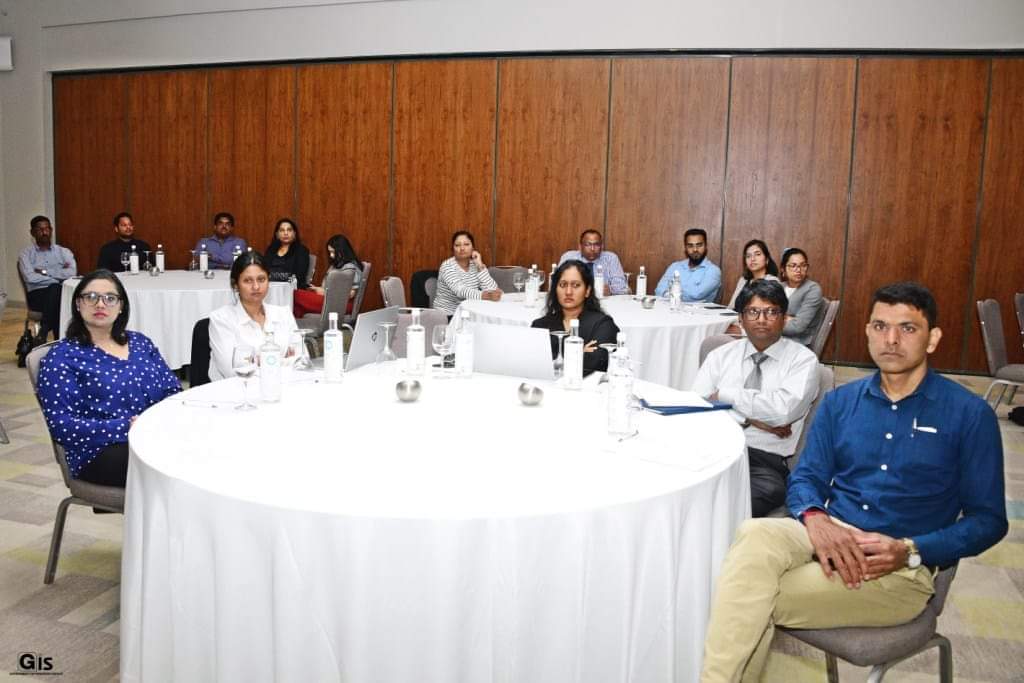
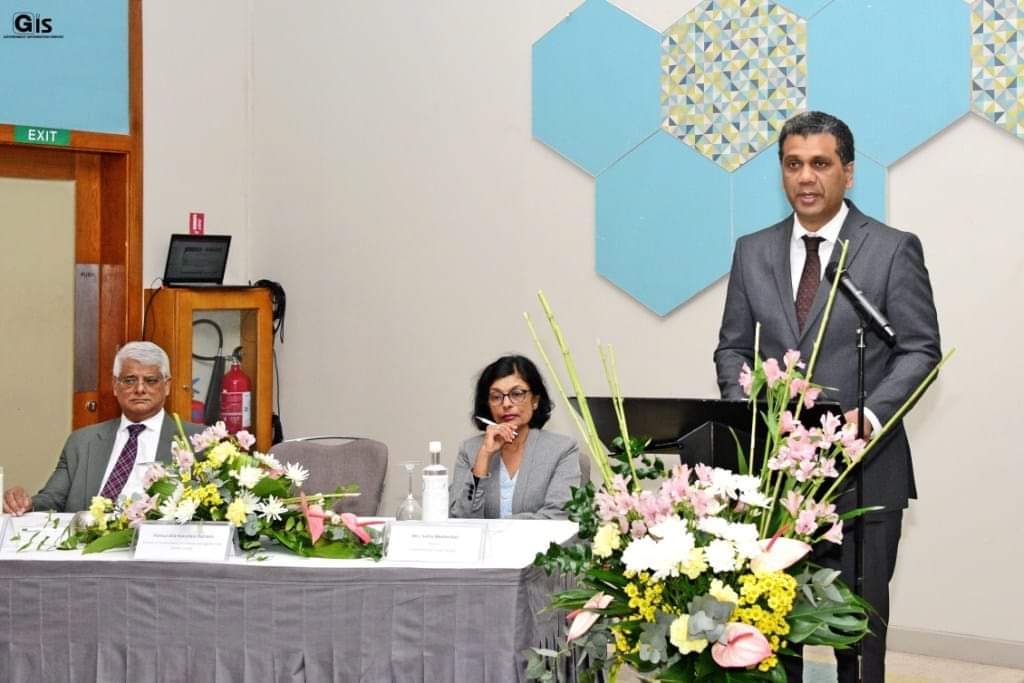
Two workshops have been held, one in Mauritius on the 3rd July, 2023 at the Hennessy Hotel. The opening address was given by Hon. Kavydass Ramano, Minister of Environment, Solid Waste Management and Climate Change.
A second workshop is being held in Rodrigues at Domaine la Détente on 29th August.
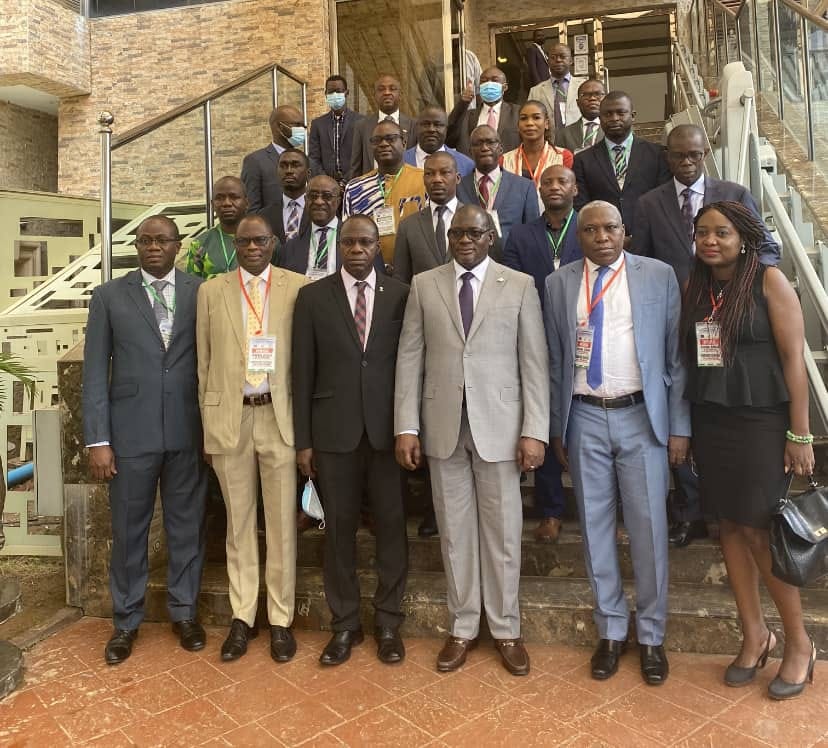
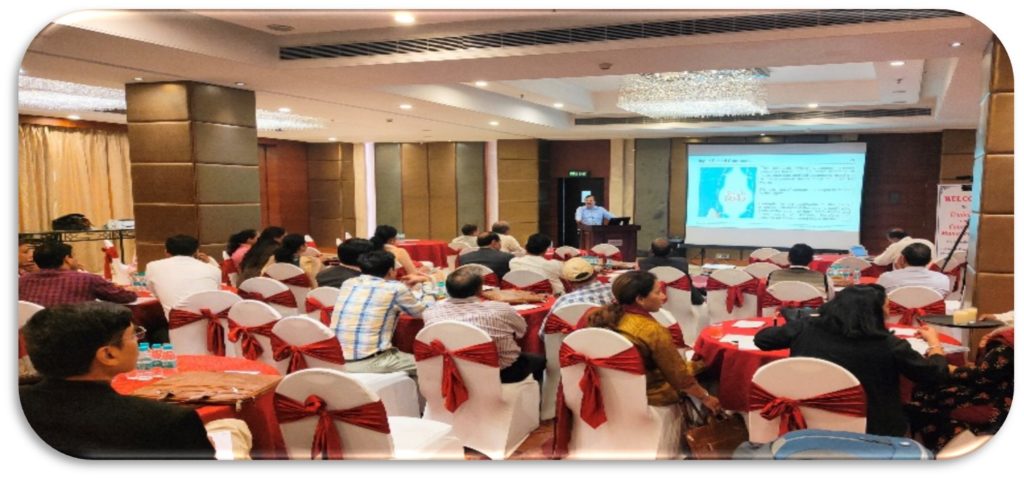
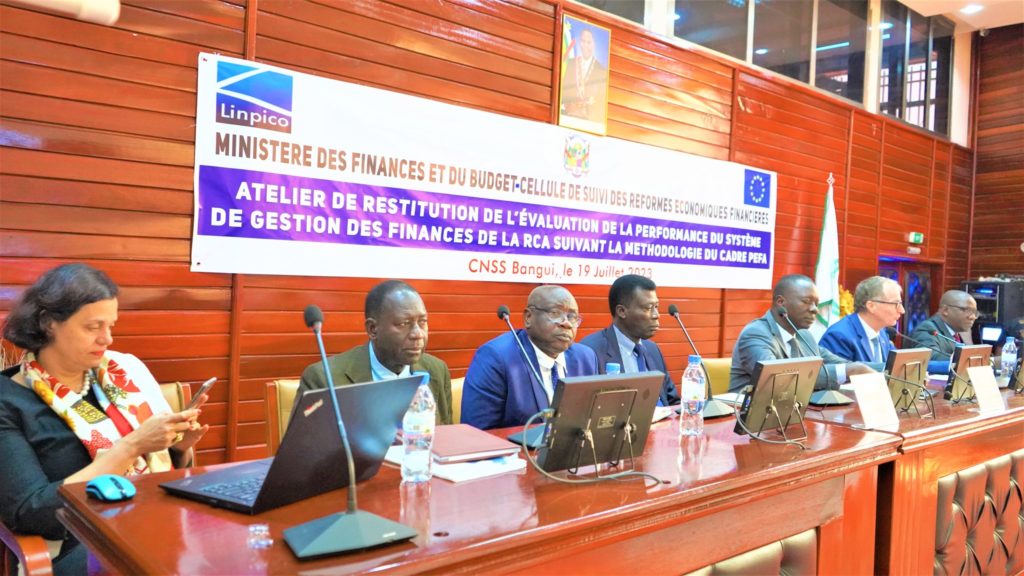 The conference room of the National Social Security Fund (CNSS), hosted on Wednesday July 19, 2023, the workshop of restitution of the conclusions of the evaluation report of Public Finances according to the Public Expenditure and Financial Accountability (PEFA) methodology drawn up by LINPICO’s team of experts. Officially opened by the director of cabinet, Wamata Yambouka, representing the minister Hervé Ndoba who was unable to attend, this restitution workshop saw the participation of representatives of the institutions of the republic, Technical and Financial Partners (PTF) and those of the sectoral departments.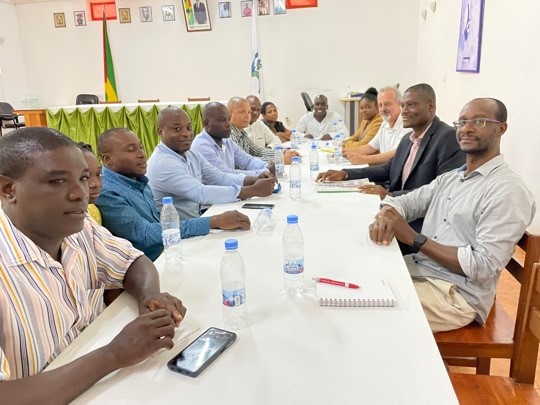
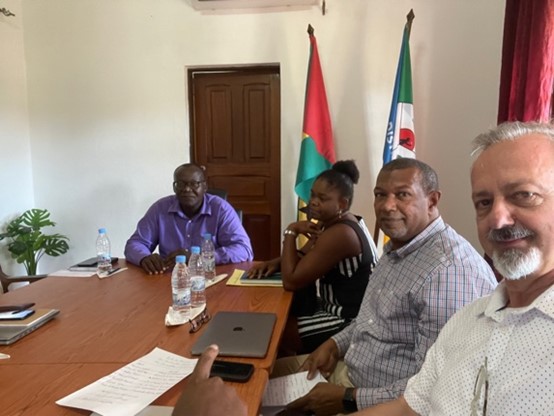
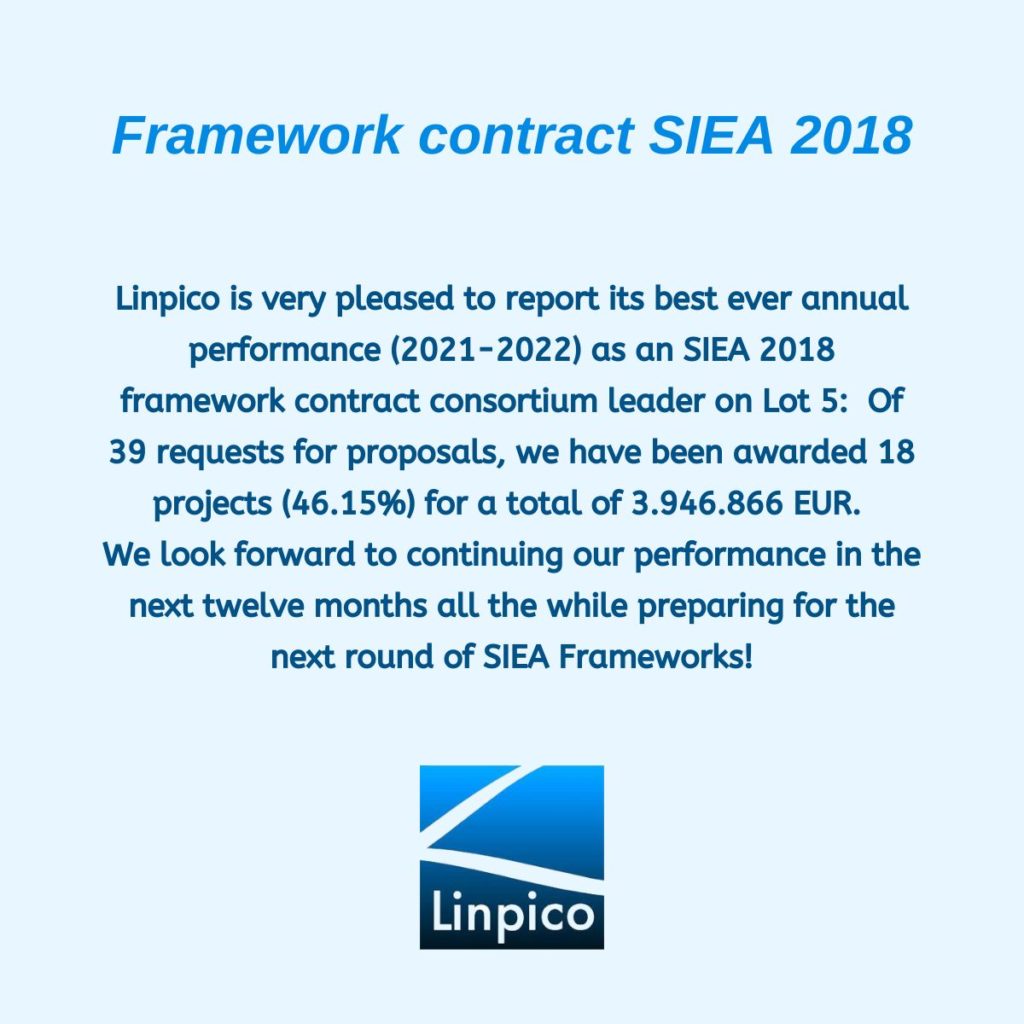
 On June 8, 2023, Linpico was awarded the management of the AFD 2023 framework agreement – Lot n° 01 – Capacity building in financial governance for a minimum duration of 24 months which can be renewed up to twice 12 months. This international framework agreement provides for a maximum amount of €35,000,000.00 (thirty-five million euros) for the implementation of subsequent contracts (more than €40,000) and purchase orders (less than €40,000 ) for study services and technical assistance in public finance management and state reform.
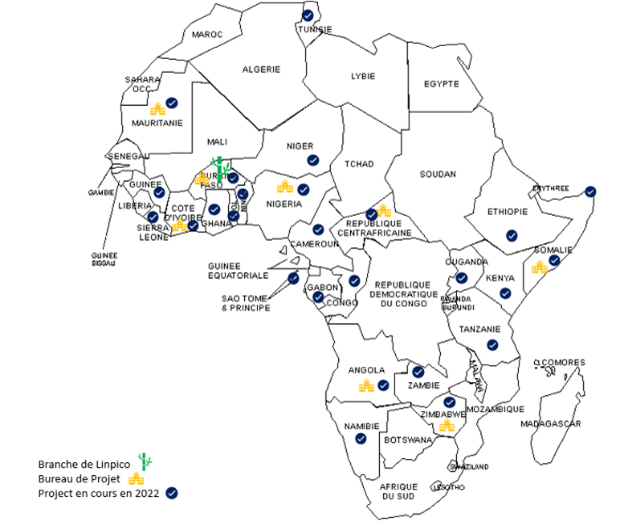 Missions may take place in all countries where AFD is present, with a focus on French-speaking sub-Saharan Africa. Linpico is very present in this region, since we set up an office there in 2018, in Ouagadougou (Burkina Faso), ensuring our links with the communities of experts in the region, and knowledge of local contexts.
 The 2022 Public Expenditure and Financial Accountability (PEFA) assessment of the Dominican Republic was conducted at the request of the Government of the Dominican Republic, represented by the Ministry of Finance (MoF), with the support of the Delegation of the European Union in Santo Domingo. The overall purpose of the exercise was to provide the Ministry of Finance and other relevant public sector institutions in the country with an up-to-date, independent, objective and shared assessment of the current performance of the public financial management (PFM) system in the Dominican Republic, including an appraisal of the system’s ability to promote and support the implementation of gender-responsive public policies, using a widely recognized and internationally accepted assessment methodology: the PEFA framework.
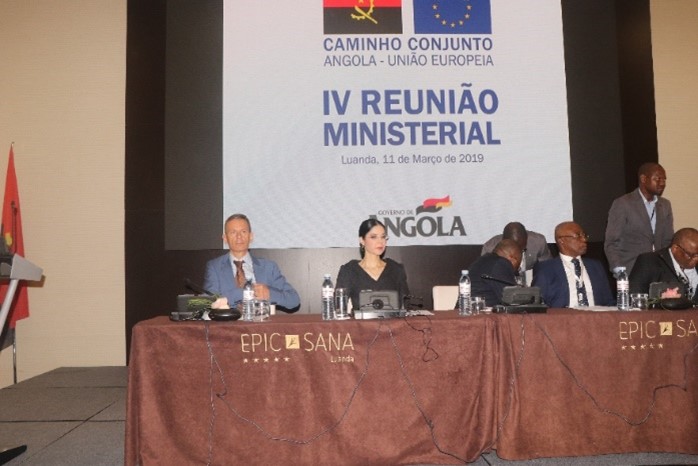 The support for the preparation of the IV Ministerial Meeting and institutional diagnosis activities for the Support Services to the National Authorizing Officer (SAON) on 11 March 2019. These Ministerial talks covered a broad spectrum of issues: economic cooperation, sustainable development, governance and human rights, multilateral and global challenges such as peace, security and climate change. This meeting was co-chaired by the Minister of External Relations of the Republic of Angola, Manuel Domingos Augusto and the Minister of Economy and Planning of the Republic of Angola Pedro Luís da Fonseca on the Angolan side and on the EU side by the Vice Prime Minister of Romania, Ana Birchall, representing the High Representative of the Union for Foreign Affairs and Security Policy. The participants reiterated their full commitment to maintaining the Joint Way Forward as a forum for constructive dialogue and cooperation based on the principles of mutual respect, openness, democracy, rule of law and transparency. Such a partnership can allow a fruitful cooperation with a view to tackle internal and global challenges in the interest of both Angola and the EU.